
When we talk about food safety, we usually think about cleaning surfaces, equipment, utensils, and raw materials. However, there is an element present throughout practically the entire process that often goes unnoticed: the air.
In a food processing plant, air is in constant motion. It can transport dust, particles, fibers, and other contaminants that—depending on the process and facility conditions—could come into contact with exposed products.
Therefore, maintaining proper environmental conditions in the production area must also be part of a comprehensive hygiene and food safety strategy.
Air is Part of Your Production Environment
Ventilation and air distribution systems play a key role in a plant: they deliver air where it is needed and help maintain optimal operating conditions.
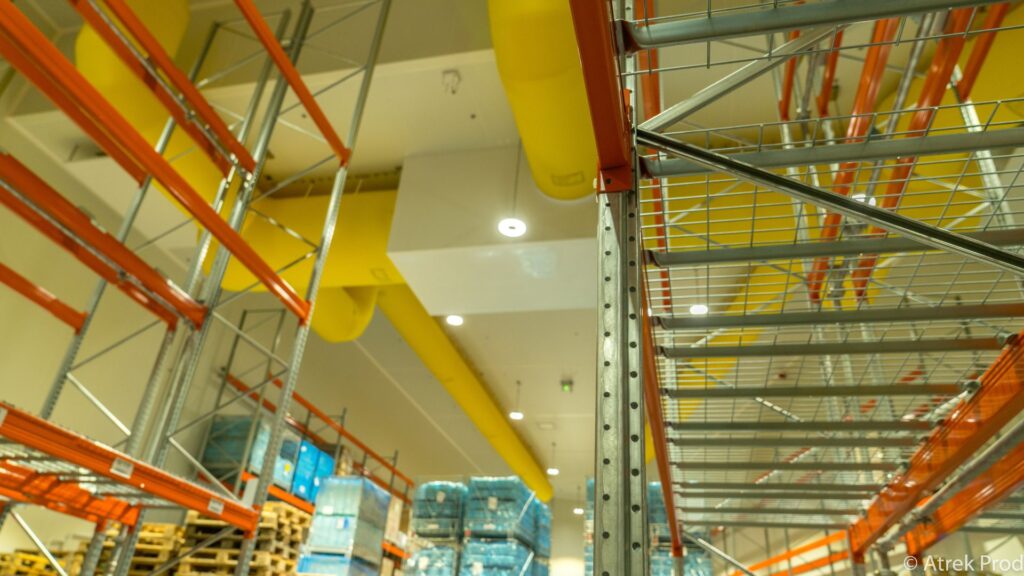
Fabric ducts are part of this system and remain in permanent contact with the air circulating through the facility.
Over time, depending on each plant’s conditions, they can accumulate dust, particles, or residues from the environment and the production process itself. In certain industries, they may also be exposed to moisture, grease, or vapors.
For this reason, air distribution system maintenance should never be left out of the plant’s overall maintenance program.
Why is it Important to Keep Fabric Ducts Clean?
A clean fabric duct does more than just maintain a good appearance across the facility. Proper maintenance removes accumulated dirt and debris, helping to preserve the system correctly.
Furthermore, professional cleaning allows technicians to inspect the condition of the duct and promptly detect signs of wear, damage, or issues requiring attention.
This is especially critical in facilities with exposed products where hygienic conditions must remain strictly controlled.
However, cleaning alone cannot answer one crucial question: What is happening with the airborne particles inside the plant?
What We Cannot See Also Matters
Not all particles present in an environment are visible to the naked eye. Even if a facility looks clean, airborne particles undetectable by simple visual inspection may still be present.
This is why a visual check is rarely enough when assessing a plant’s environmental conditions.
Measuring airborne particles provides precise data on the volume of particles in a given space, delivering insights that help identify target areas or track the effectiveness of maintenance actions.
In short: cleaning helps maintain the system; measuring helps understand the environment.
Cleaning and Measuring: Two Complementary Tools
Fabric duct cleaning and particle measurement serve distinct purposes:
- Cleaning removes dirt and accumulated debris from the air distribution system while verifying its physical condition.
- Measurement provides actionable data regarding the particles present in the ambient air.
When combined, these actions yield valuable insights for a plant’s maintenance, hygiene, and environmental control programs.
Keep in mind: air quality is just one component of a complete food safety strategy. It must work alongside Good Manufacturing Practices (GMPs), sanitation programs, and other established process controls.
A Controlled Environment Starts with Understanding It
In a food plant, many factors affecting production conditions are invisible. Beyond keeping facilities clean, it is vital to regularly evaluate every environmental element, including the air distribution system.
An adequate maintenance and measurement program helps you detect, prevent, and resolve potential issues long before they are noticed during a routine visual inspection.
Do you know the current condition of your plant’s air and fabric ducts?
At HAS México, we offer professional fabric duct cleaning and particle measurement services to help you understand the true condition of your air distribution system and production environment.
Explore our services and request an evaluation for your facility today.